

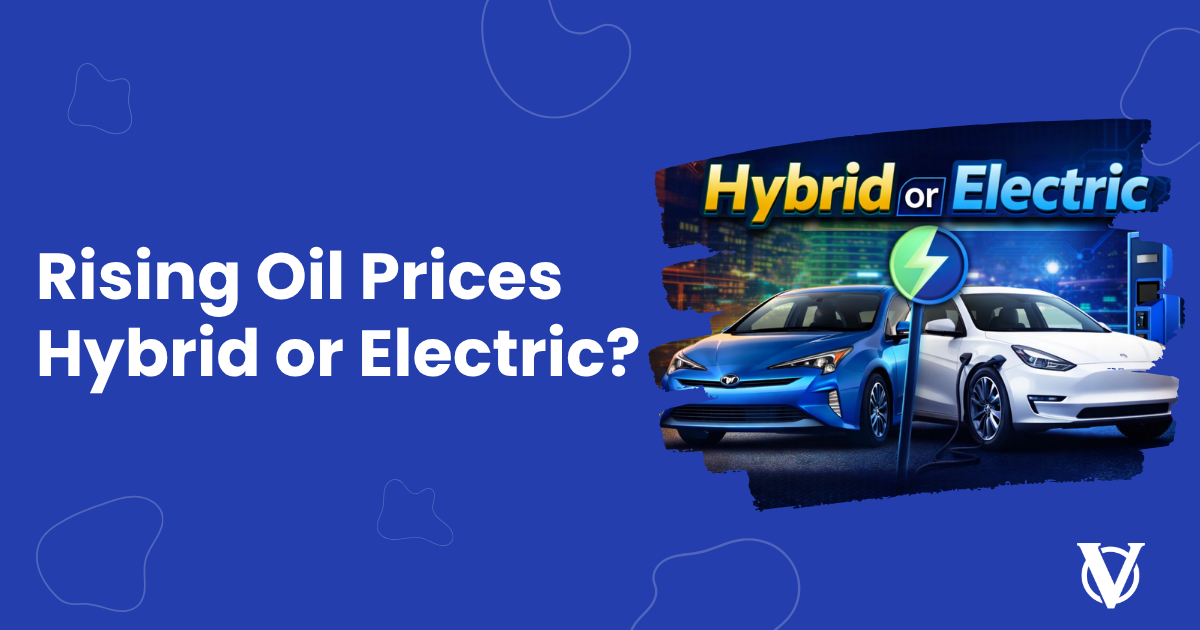
Rising Oil Prices: Hybrid vs Electric Cars
By Arvin
Posted on Apr 15, 2026
April 2026 | Philippines
With fuel prices continuing to rise, many Filipino motorists are reconsidering their driving habits—and, more importantly, their vehicle choices. The increasing cost of gasoline and diesel is not just affecting daily commutes but also long-term financial decisions.
As a result, hybrid and electric vehicles (EVs) are gaining more attention as practical alternatives. But which one is actually better for you?
In this guide, we break down the pros and cons of hybrid and electric cars to help you make a smarter, more cost-efficient decision.
Why Rising Oil Prices Are Changing Car Buying Decisions
Fuel price hikes directly impact household budgets, especially for daily drivers, business owners, and ride-hailing operators. Over time, fuel costs can exceed maintenance costs—or even rival monthly car payments.
This is why more consumers are now considering vehicles that:
- Reduce fuel dependency
- Offer better long-term savings
- Support eco-friendly driving
Hybrid and electric cars both offer solutions—but in different ways.
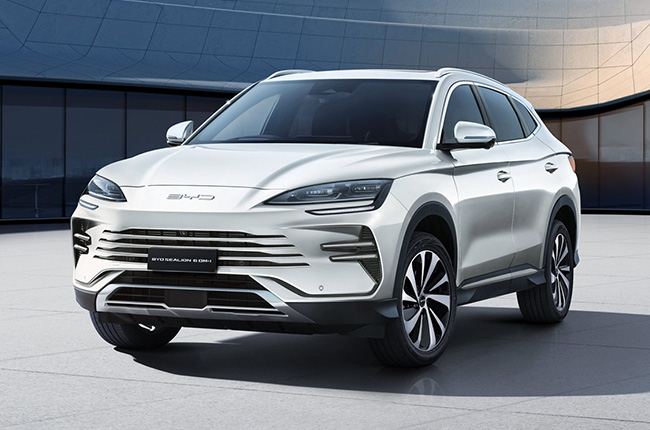
Source: BYD
What is a Hybrid Car?
A hybrid car uses both a gasoline engine and an electric motor. It automatically switches between the two or combines them for better efficiency.
Pros of Hybrid Cars
- Fuel-efficient – Uses less gasoline compared to traditional cars
- No need to charge – Runs like a regular car, no charging station required
- Lower emissions – More environmentally friendly than fuel-only vehicles
- Ideal for city driving – Great for stop-and-go traffic
Cons of Hybrid Cars
- Still dependent on fuel – You’ll still feel the impact of rising oil prices.
- Higher upfront cost than standard vehicles
- Maintenance complexity due to dual systems (engine + battery)
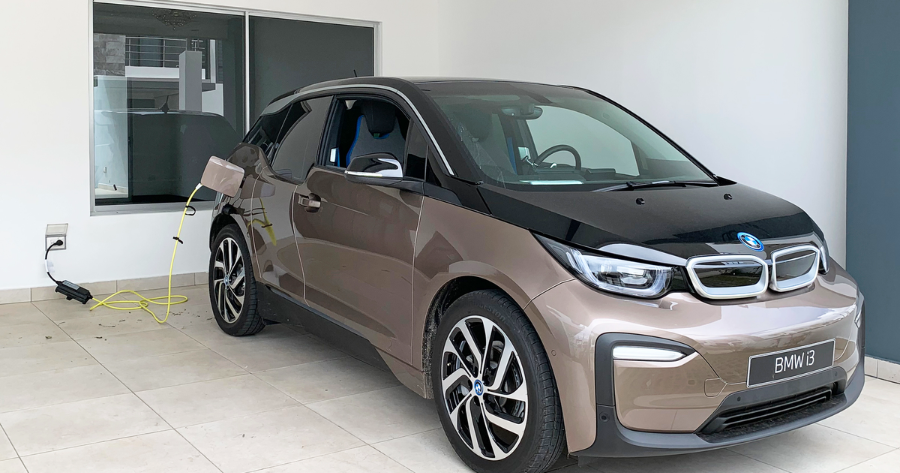
What is an Electric Vehicle (EV)?
An electric vehicle runs entirely on electricity and does not use gasoline. A rechargeable battery powers it.
Pros of Electric Cars
- Zero fuel cost – No need for gasoline or diesel
- Lower operating costs – Fewer moving parts, less maintenance
- Eco-friendly – Produces zero emissions
- Quiet and smooth driving experience
Cons of Electric Cars
- Charging infrastructure is still growing in the Philippines
- Longer charging time compared to refueling
- Higher initial cost
- Range anxiety—Limited distance per charge compared to fuel cars
Hybrid vs. Electric: Which One is Better?
The answer depends on your lifestyle, budget, and driving habits.
Choose a Hybrid Car if:
- You want better fuel efficiency, but still rely on gas stations
- You frequently travel long distances
- You prefer a more familiar driving experience
- Charging stations are not accessible in your area
Choose an Electric Car if:
- You want to avoid fuel costs completely
- You mainly drive within the city
- You have access to home or nearby charging
- You’re ready to invest in long-term savings and sustainability
Cost Comparison: Short-Term vs Long-Term
- Hybrid cars are usually more affordable upfront and easier to transition into, but still require fuel over time.
- Electric vehicles may cost more initially, but they offer greater savings in the long run due to zero fuel and lower maintenance costs.
With continuous oil price hikes, EVs are becoming more attractive for cost-conscious drivers.
The Future of Driving in the Philippines
As the Philippines continues to adopt greener technologies, both hybrid and electric vehicles are expected to become more accessible. Government support, improved infrastructure, and growing awareness are all contributing to this shift.
For now, both options serve as smart alternatives to traditional fuel-powered vehicles—especially in a time when fuel prices remain unpredictable.
Final Thoughts
Rising oil prices are pushing consumers to rethink their choices—and for good reason. Whether you choose a hybrid or an electric vehicle, the goal is the same: save money, reduce fuel dependency, and drive smarter.
- Hybrid cars offer a practical transition with better fuel efficiency.
- Electric vehicles provide a long-term solution with zero fuel costs.
Ultimately, the best choice depends on what fits your lifestyle today—and what prepares you for tomorrow.
In a world of rising fuel costs, switching to smarter mobility isn’t just an option—it’s becoming a necessity.