

Marine Insurance Law in the Philippines
By Arvin
Posted on Jan 23, 2026
Marine insurance law in the Philippines provides essential legal protection for ships, cargo, and maritime-related businesses. As an archipelagic country heavily dependent on sea transport and international trade, the Philippines faces constant maritime risks such as typhoons, collisions, piracy, and cargo loss. Marine insurance helps manage these risks by offering financial protection and legal certainty to shipowners, traders, and insurers.
What Is Marine Insurance Law?
Marine insurance law governs insurance coverage for losses or damage arising from maritime transport. In the Philippines, marine insurance is primarily governed by the Insurance Code of the Philippines, relevant provisions of the Civil Code, and established international maritime principles recognized in local practice.
This body of law defines the rights and obligations of both the insurer and the insured, ensuring that marine insurance contracts are legally enforceable and that financial risks are clearly allocated.
Marine insurance law in the Philippines provides essential legal protection for ships, cargo, and maritime-related businesses. As an archipelagic country heavily dependent on sea transport and international trade, the Philippines faces constant maritime risks such as typhoons, collisions, piracy, and cargo loss. Marine insurance helps manage these risks by offering financial protection and legal certainty to shipowners, traders, and insurers.
What Is Marine Insurance Law?
Marine insurance law governs insurance coverage for losses or damage arising from maritime transport. In the Philippines, marine insurance is primarily governed by the Insurance Code of the Philippines, relevant provisions of the Civil Code, and established international maritime principles recognized in local practice.
This body of law defines the rights and obligations of both the insurer and the insured, ensuring that marine insurance contracts are legally enforceable and that financial risks are clearly allocated.
Seaworthiness
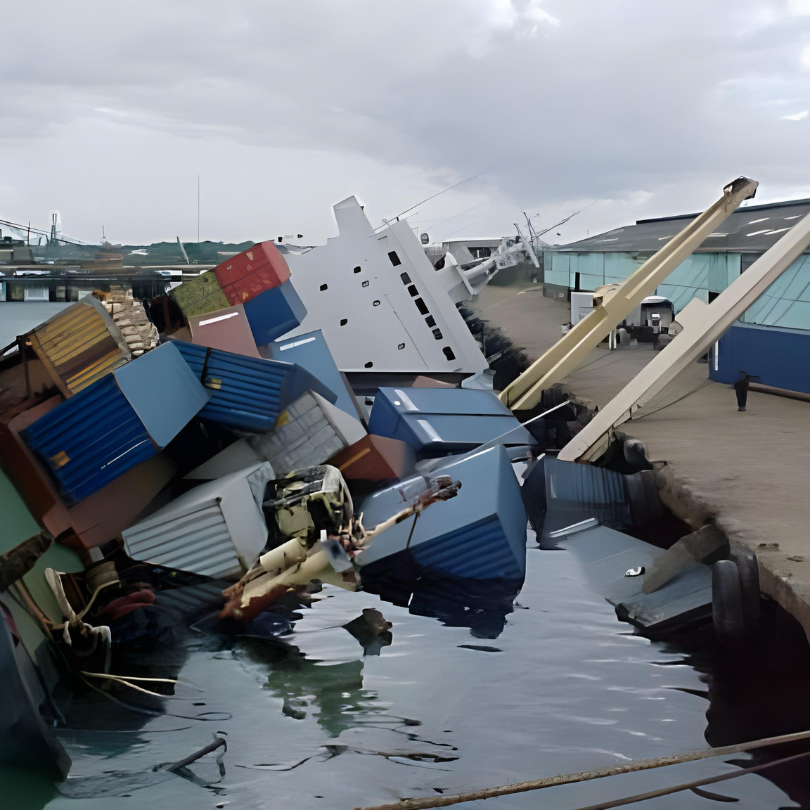
Under Philippine marine insurance practice, a vessel must be seaworthy—properly equipped, maintained, and fit for its intended voyage. Claims may be rejected if losses arise from an unseaworthy vessel.
Source: greenwoods.org
Seaworthiness
Under Philippine marine insurance practice, a vessel must be seaworthy—properly equipped, maintained, and fit for its intended voyage. Claims may be rejected if losses arise from an unseaworthy vessel.
Types of Losses in Marine Insurance
Marine insurance law in the Philippines recognizes different types of losses:
- Total Loss – The complete destruction or irretrievable loss of the ship or cargo
- Partial Loss – Damage affecting only a portion of the insured property
Compensation is based on the type of loss and the insured value stated in the marine insurance policy.
Why Marine Insurance Law Matters in the Philippines
Marine insurance law plays a crucial role in the Philippine maritime industry because it:
- Protects investments, vessels, and cargo
- Supports safe and lawful maritime trade
- Reduces financial risks for importers, exporters, and shipowners
- Prevents fraudulent and exaggerated claims
- Provides a clear legal framework for resolving insurance disputes
With frequent typhoons and heavy maritime traffic in Philippine waters, marine insurance allows businesses to operate with greater confidence and stability.
Conclusion
At Vigattin Insurance, we believe that understanding marine insurance law is the first step toward proper protection. That is why Vigattin provides clear, practical, and locally relevant insights into Marine Insurance Law in the Philippines, helping shipowners, traders, and businesses make informed decisions, manage risks, and navigate maritime operations with confidence.
Because when you understand the law, you sail smarter and safer—with Vigattin Insurance by your side.